A table worth staying at.
Wine, food and conversation, in that order and at that pace.
- The table
- Shared plates
- Pairing
The shape of an evening
Food built for the middle of the table rather than the front of a plate — meant to be reached across, not portioned out. That is how the wines we pour were drunk where they come from.
Sharp, herb-forward, cooked simply, set down between people and argued over.
It is a slower way to eat, and the slowness is the point rather than a side effect of it.
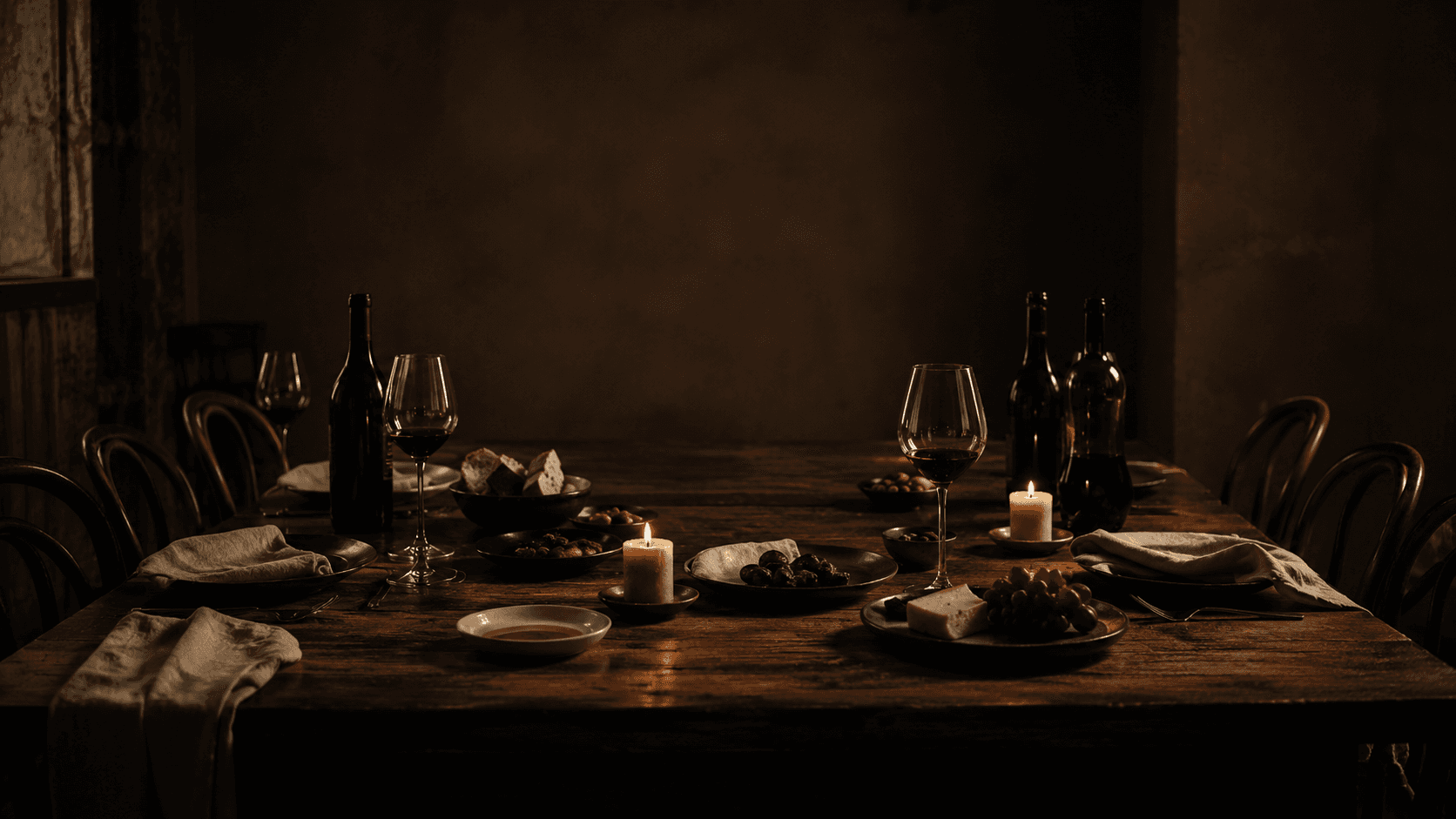
Pairing, without the ceremony
Wine and food are decided together, so pairing is not a service sold on top — it is the reason the two halves of an evening look the way they do. These wines were grown alongside this kind of cooking.
If you would rather have it decided for you, say so. If you would rather work it out yourself, you will be told enough to do that.
The wine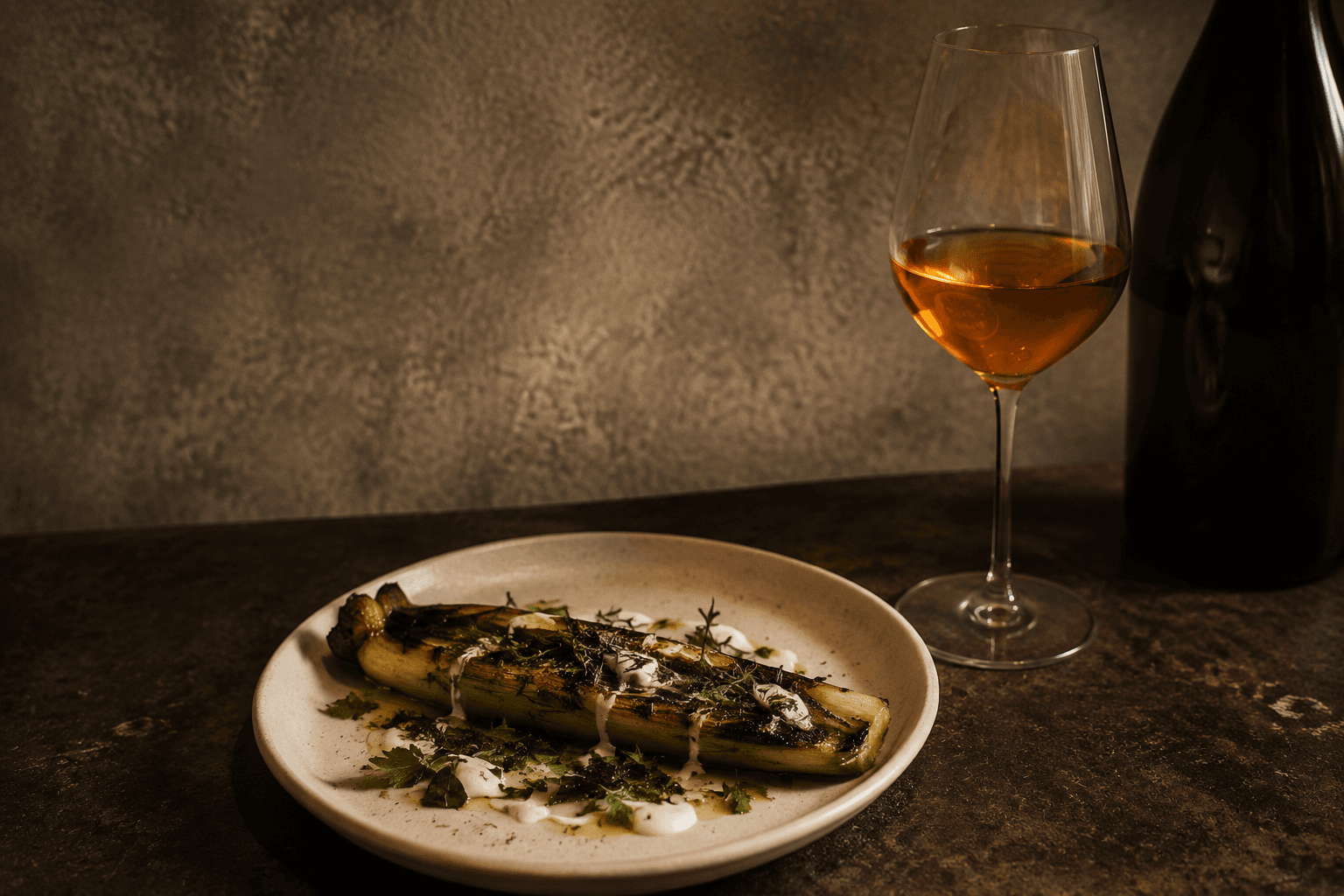
What we spend attention on
Fewer things done more carefully. Produce that can carry being cooked simply, glasses that are looked after, and a room that does not need ceremony to feel considered.
Related writing
The case for a slow evening
London restaurants got faster for good commercial reasons. What the ninety-minute table actually costs, and what a room designed the other way has to do differently.
Table8 August 2026
Pairing for sharp, herby, charred food
Classic pairing rules were written for plated courses. A table of nine shared dishes needs a different approach — pair the table, not the plate.
Table4 August 2026
How to build a sharing table
Ordering for the middle of the table is a different skill from ordering a main course. A working method: how many dishes, in what order, and what to leave out.
Table21 July 2026
Every wine has a story.
A wine bar and wine shop taking root in Stoke Newington. Opening details will be shared once confirmed.